Whoa. I didn’t expect a browser extension wallet to change how I interact with DeFi, but — it did. At first I was skeptical. Browser wallets have been clunky, permission-hungry, or just plain confusing. My instinct said: another wallet, another set of problems. But after using this one a few weeks, something felt off in a good way. It made routine tasks faster, safer-feeling, and frankly less annoying.
Here’s the quick lay of the land: if you want a lightweight extension that handles Ethereum and a handful of EVM chains without forcing you to learn a dozen tools, Rabby is worth a look. I’m not being paid to say that. I’m biased, sure — I nerd out about UX and security — but I also value time. This one saved me time, repeatedly.
What Rabby does well — from a practical standpoint
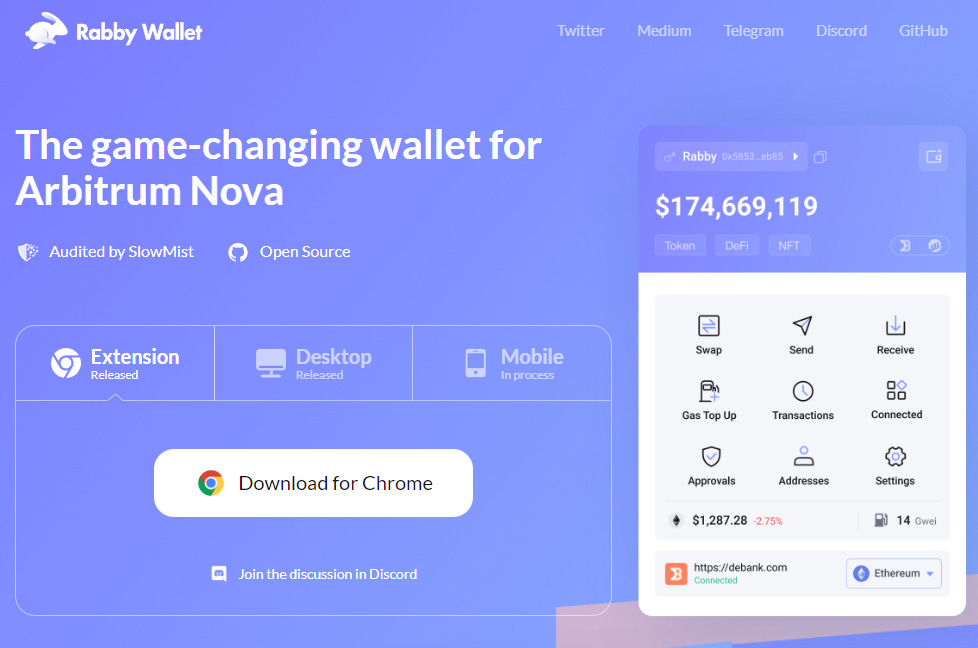
Okay, so check this out—Rabby bundles a few things other extensions often mishandle. It lets you add multiple networks and switch between them rapidly. It shows approvals and permissions in a clear, inspectable list. And it surfaces transaction details before you sign — not just raw data, but a human-friendly summary. That last part has saved me from paying for unintended swaps more than once.
It also plays nicely with hardware wallets like Ledger. If you’re the kind who keeps keys cold while still wanting dApp convenience, Rabby bridges that gap well. Seriously, pairing felt simple the first time. On the other hand, I hit one snag with gas estimation on a niche L2; minor, but worth knowing.
If you want a direct download or to try it yourself, I recommend checking out rabby — that’s where I grabbed the extension the second time around (oh, and by the way… always verify the source whether you’re on Chrome or Brave).
Security and permissions — the things that actually matter
Permissions are the currency of browser wallets. Too broad, and you give dApps carte blanche. Too opaque, and you sign things you don’t understand. Rabby surfaces connected sites, approved tokens, and active allowances in a readable interface. That made me revoke old approvals in under five minutes.
It also offers transaction simulation for many common operations. I used it to see whether a swap would revert or succeed and to estimate gas costs more accurately. That reduced surprises. I’m not 100% sure its simulations cover every obscure contract pattern, but for typical swaps, bridging, and staking flows it helped a lot.
On the technical side: the extension is open-source, so you can inspect the code if that’s your jam. Not everyone will, obviously, but it’s a net positive for transparency. For everyday users, the takeaway is practical: more visibility into what you’re signing, fewer accidental approvals, and clearer prompts.
Multi‑chain flow: less friction, more control
Multi-chain isn’t just about adding networks. It’s about managing assets and contracts across them without getting lost. Rabby organizes your accounts so you can see balances on Ethereum mainnet, various L2s, and some EVM-compatible chains with minimal friction. Switching chains doesn’t feel like a circus act anymore.
That said, chain coverage isn’t infinite. If you live on some very obscure RPC, you might need to add it manually and verify compatibility. On one hand, that flexibility is great. Though actually, it did feel slightly technical the first time I added a custom endpoint. If you’re comfortable copying RPC URLs, you’ll be fine. If not, reach out to the community first.
UX details that matter in real use
Small things pile up. Rabby has a permission manager, a nonce manager, and native support for multiple accounts. Those features cut down on the little headaches that otherwise make you revert to MetaMask for familiarity. Also: signing dialogs include clearer explanations — for example, when a dApp requests token allowance, Rabby shows what that means in plain language.
One nit: sometimes the extension’s notification flows felt slightly delayed, especially when switching accounts fast. Not a dealbreaker. But it’s the sort of thing that bugs me because I do a lot of rapid testing.
When Rabby isn’t the right tool
This isn’t a universal recommendation. If you rely on super niche networks or bespoke wallets with advanced multisig flows, Rabby may not cover your edge cases. Also, if you insist on a mobile-first workflow, a browser extension isn’t the most natural fit. There are other wallets better optimized for mobile and non-EVM chains.
I’m honest about my limits here: I haven’t stress-tested Rabby with hundreds of simultaneous approvals or under targeted adversarial conditions. I practice safe habits, like using hardware wallets for large holdings and keeping small balances in hot wallets for everyday tasks.
Quick FAQ
Is Rabby safe for mainnet funds?
Short answer: yes, with caveats. It supports hardware wallet integration and provides good visibility into approvals. Use a hardware device for large sums. For daily smaller trades, it’s fine — but always verify downloads and be cautious with unknown dApps.
Does Rabby support Ledger and other hardware wallets?
Yes. It supports Ledger, letting you sign through your device while using the extension for connectivity. That combo is my go-to: UX of a browser wallet, keys never leave the hardware.
Which chains does it support?
Rabby focuses on Ethereum and EVM-compatible chains, including popular L2s. It’s not a Cosmos or Solana wallet. If you need those ecosystems, keep a separate wallet for them.
Alright — where does that leave us? For most DeFi users on Ethereum and EVM chains who want a safer, faster browser experience, Rabby is a solid option. It doesn’t pretend to be everything to everyone. Instead, it tightens the painful bits: approvals, transaction clarity, and hardware integration. That focus is refreshing.
I’ll be honest: some details still need polish. But overall, using Rabby felt like upgrading a tool I use every day — the kind of upgrade that makes small tasks less annoying, and that over time adds up to fewer costly mistakes. If you play in DeFi a lot, it’s worth installing, poking around, and deciding for yourself.
